
You check your website traffic, and it has completely tanked. Your best pages vanished from search results overnight. If you recently published external content, Google probably penalized you. Let’s fix this.
What Is Site Reputation Abuse? (And Why Google Hates It)
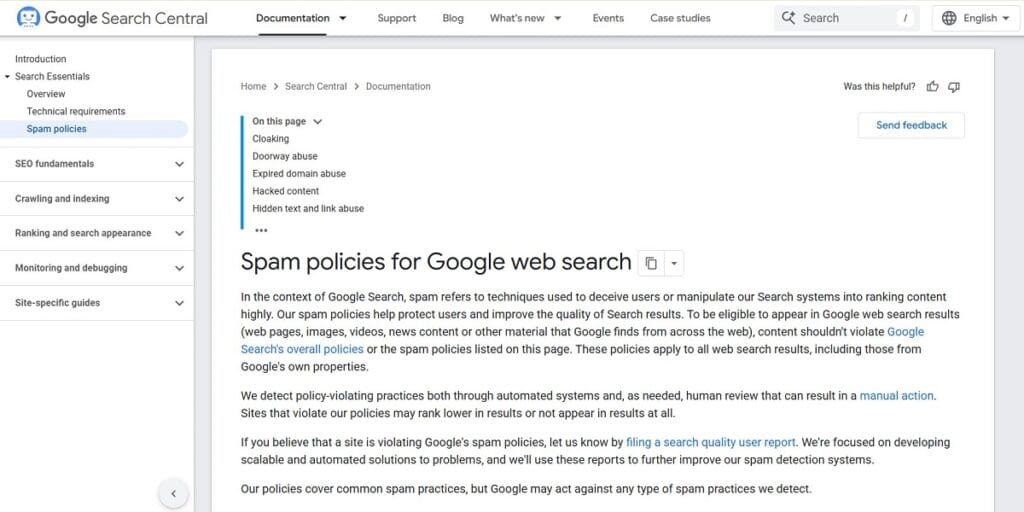
Site reputation abuse is the practice of publishing third-party pages on a site to manipulate search engine rankings unfairly. It takes advantage of the host site’s existing authority signals without offering any real editorial value.
This tactic is widely known as parasite SEO among marketers. It directly violates strict Google spam policies and guidelines. Google hates when trusted publishers rent out their hard-earned domain authority. They do not want users finding sketchy third-party content on a site they actually trust.
5 Signs Your Site Is Being Used For Reputation Abuse
You might be breaking the rules unknowingly. Check your website immediately for these five massive red flags:
- You host coupon directories completely unrelated to your niche.
- Your site publishes sponsored posts written entirely by outside advertisers.
- You rent out subdomains specifically for unmonitored content.
- You post product reviews without any original testing photos.
- You use bulk affiliate links without editing the source text.
Not all partner content is bad, but you must know the difference.
| Safe Content Strategy | Risky Spam Violation |
| Strict editorial review | Zero publisher oversight |
| Niche-relevant topics | Completely unrelated subjects |
| Honest, tested reviews | Blindly pasting partner content |
Do Affiliate Links Count as Reputation Abuse?
Not always. Standard affiliate marketing is perfectly safe. The problem starts when you publish affiliate reviews without real oversight.
You must prove you actually tested the product. Summarizing specs from another site will trigger a harsh penalty.
watch the youtube video here 👇
Why Big Websites Keep Getting Caught For Site Reputation Abuse
You might think only small spam blogs fail. That is a total myth. Google is actively punishing massive brands right now.
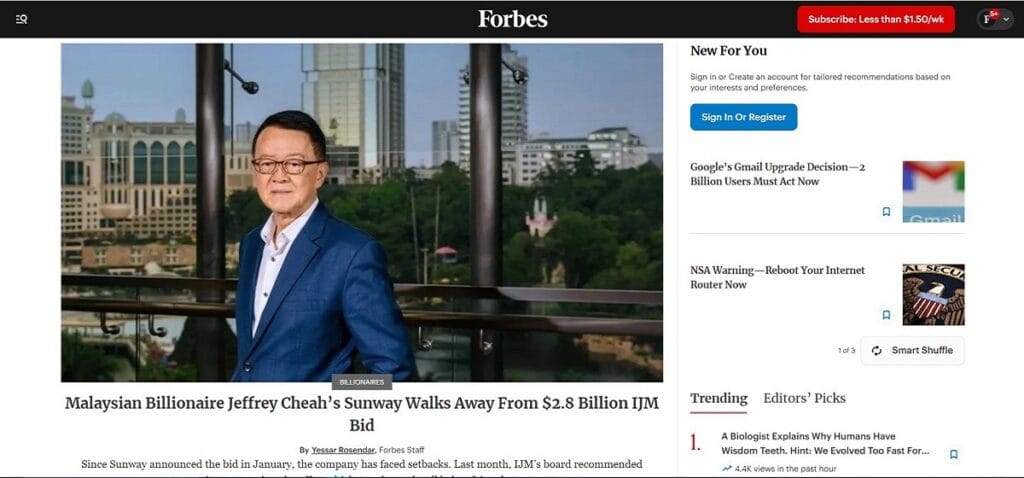
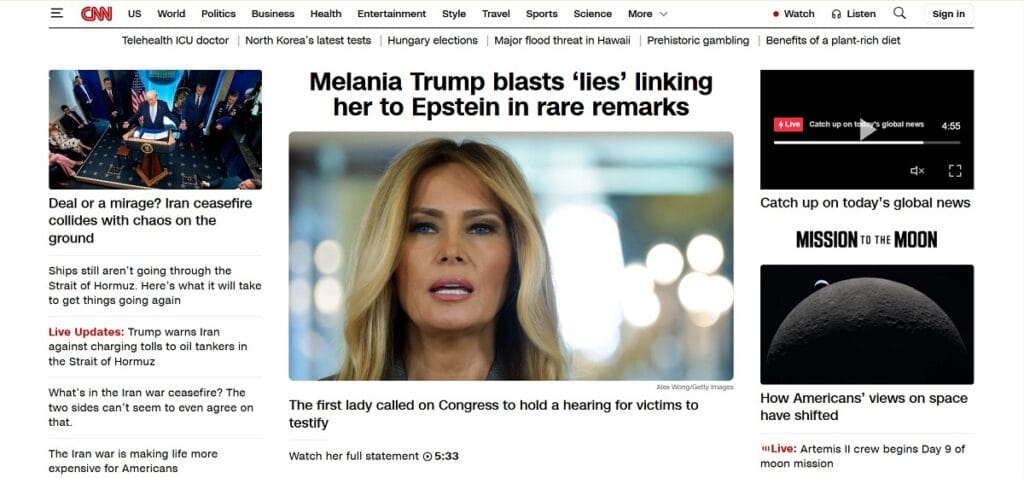
Famous sites like Forbes and CNN have faced intense scrutiny. They historically relied heavily on third-party partner networks. These massive sites hosted endless articles about credit cards and Black Friday deals. Google cracked down hard to prove everyone is accountable.
What To Do If Google Catches You With Site Reputation Abuse
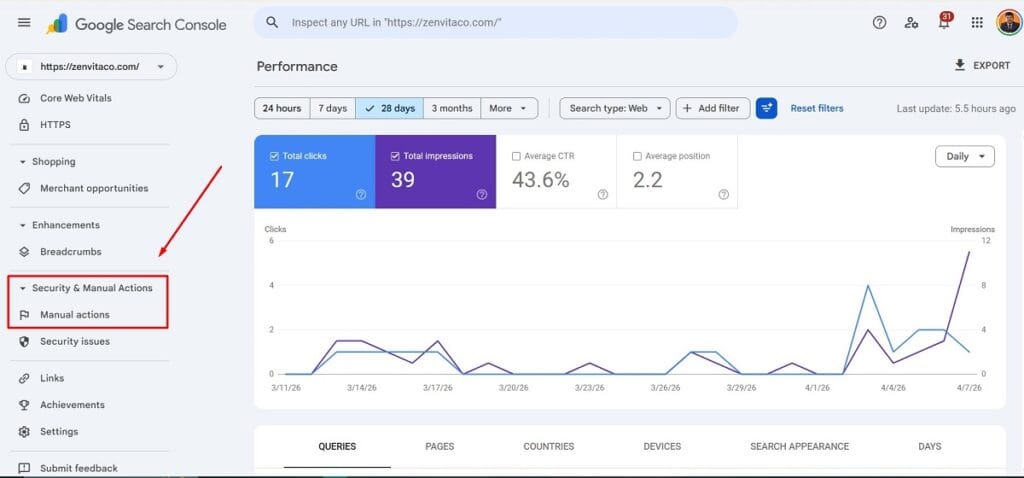
A manual action alert in Search Console is terrifying. It means a human reviewer flagged your site. Do not panic. You can bounce back from a sudden deindexing.
Follow these exact steps to clean your site:
- Find the violating pages immediately.
- Delete the pages or add a “noindex” tag.
- Remove all internal links pointing to the bad content.
- Write a detailed reconsideration request.
How to Write a Reconsideration Request
Be totally honest with Google. Tell them exactly what broke their spam rules. Explain the exact steps you took to fix it.
Provide URLs of the deleted pages. Detail your new editorial process to ensure it never happens again.
Is Your Website Doing This? Google Might Punish You For It
Prevention is much easier than penalty recovery. Take a hard look at your editorial standards.
The Google Search Quality Team no longer accepts excuses. Even white-label partnerships require strict, hands-on editorial review. Stop renting out your reputation. Start building your own authority.
A Quote from the Experts
Google’s official rule says this: “Site reputation abuse is the practice of publishing third-party pages on a site in an attempt to abuse search rankings.” Let’s break that down into plain words. “Third-party pages” are articles written by total strangers. “Abuse search rankings” means cheating to get to the very top of Google’s search results.
A Surprising Fact
You might think only small, sneaky websites try this trick. That is actually wrong! When Google cracked down on this in May 2024, they caught huge, famous news websites doing it. Giant sites like CNN and USA Today got in trouble for posting random coupon pages that had nothing to do with news. Google made those pages disappear entirely.
The Real Numbers
When Google catches a website breaking this rule, they give them what is called a “manual action.” This is like a very strict time out. A real person at Google looks at the site and pushes a button to punish them.
- May 6, 2024: The exact date Google started punishing websites for this rule.
- 50 to 100 percent: The amount of traffic (visitors) a website can lose in just one day if they get caught. Some sites saw their daily visitors drop to almost zero!
How to Tell the Difference
Here is a simple table to show what Google likes and what they punish.
| Good Website Habits | Bad Website Habits (Abuse) |
| Writing your own helpful articles | Letting strangers post whatever they want |
| Sticking to your main topic (like just cooking) | Posting about random things (like cooking AND car insurance) |
| Checking every word before you post it | Posting articles without even reading them |
Simple Tips for Website Owners
If you ever build a website, here is how to stay out of trouble:
- Do not rent your space. Never let strangers pay you to post their random articles on your site.
- Stay on topic. If your website is about dogs, only write about dogs. Do not suddenly write about credit cards.
- Read everything. If you do let a friend write a post for your site, read it first. Make sure it is actually helpful.
It takes a long time to build trust. Do not throw it away just to make a quick buck!
FAQ
What is site reputation abuse in SEO?
Site reputation abuse happens when a trusted website publishes low-quality, unrelated third-party content just to manipulate search rankings. Google sees this action as spam and actively penalizes the host site.
This usually occurs when publishers rent out their domain authority. They let outside companies post unverified content to game the system. It ruins the user experience.
Does Google penalize parasite SEO?
Yes, Google heavily penalizes parasite SEO. They updated their spam policies to issue severe manual actions against sites using this tactic to borrow ranking signals from authoritative domains.
If caught, your specific offending pages can be completely removed from Google search results. In severe cases, they might deindex your entire website.
How do you fix a site reputation abuse penalty?
To fix this penalty, you must remove or noindex the violating third-party content completely. Next, clean up any internal links and submit a reconsideration request detailing your fixes.
Your request needs to be very specific. Show the human reviewer at Google exactly how your editorial process changed.
Do affiliate links violate Google’s site reputation abuse policy?
No, standard affiliate links do not violate the policy on their own. The rule specifically targets sites hosting third-party content with zero editorial oversight just to manipulate rankings.
If you write your own honest reviews and use affiliate links properly, you are safe. Just make sure you provide real value.
What happens when you get a manual action from Google?
A manual action means a human reviewer at Google found your site breaking spam rules. You will get a warning alert directly in your Google Search Console account.
Your website rankings will drop significantly. Some or all of your pages will stop showing up in search results until you fix the problem entirely.

Hi, I am Khalid. I am an SEO and AI Search Specialist.
My goal is simple: I help your business get found by the right people.
For a long time, getting found just meant showing up on the first page of regular Google search. Today, the internet is changing. People are asking their questions to AI tools like ChatGPT and Google’s new AI features.
My job is to connect the old way of searching with the new way. When a potential customer asks an AI a question about what you do, I make sure your business is the trusted answer they get.
I do not use confusing words or secret tricks. I use clear and honest plans to get you noticed and bring real buyers straight to your website.
Want to see how I can make your brand the top answer? Connect with me on social media or read my exact steps at khalidseo.com.