Your search traffic likely plummeted late this March.
You open your analytics and see your top pages vanishing from the first page. It feels much worse than the shifts we experienced last winter. You are probably wondering if your entire SEO strategy is broken.
It is not broken. However, the rules have definitely changed. The March 2026 Google core update was a massive shakeup for creators. Let us look at why this rollout hit so hard and exactly how you can adapt your website.
The Core Difference: March 2026 vs. December 2025
The data confirms what you are feeling. This update caused extreme ranking volatility. According to SE Ranking, this rollout was significantly more aggressive than the December 2025 core update comparison.
Here is exactly what shifted at the top of the search results:
- Massive Top 3 Churn: Nearly 80% of the top three results shifted positions.
- Low Stability: Only 20.5% of URLs in the top three held their exact rank.
- Top 10 Wipeouts: Over 90% of URLs in the top 10 changed spots.
- Complete Dropouts: Roughly 24% of top 10 pages fell out of the top 100 entirely.
How the Spam Update Amplified the Chaos
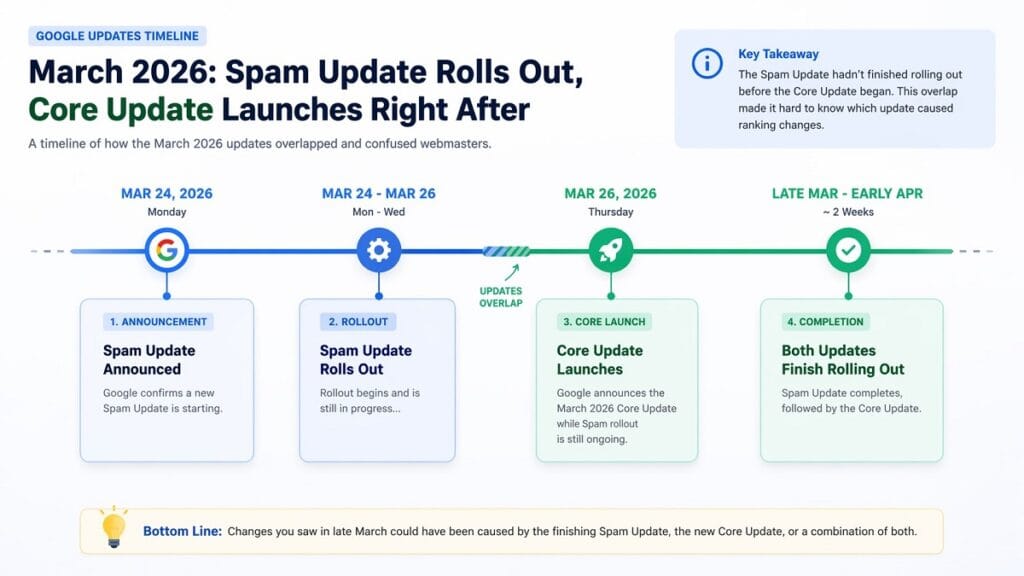
Google made a very specific choice with this timeline. The core update launched just one day after a major spam update finished.
This rapid back to back scheduling caused massive confusion. The initial spam update cleared out low quality junk. This gave the subsequent algorithm change a much cleaner baseline to evaluate. The resulting shifts were sudden and severe.
Who Won and Who Lost in the Spring Shakeup
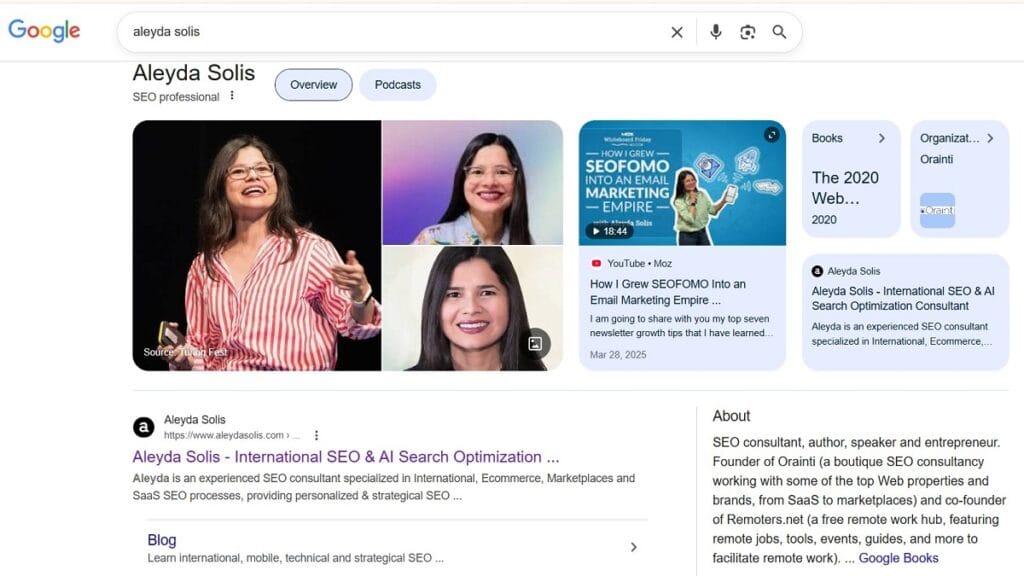
We can see very clear patterns in the fallout. Aleyda Solis analyzed Sistrix data for Search Engine Land to find the winners and losers.
Google heavily rewarded official brands, government sites, and clinical health sources. Established entities gained massive ground. Interestingly, YouTube took a severe visibility hit across the board.
The Fall of the Intermediaries
If your site acts as a middleman, you are in a vulnerable position. Aggregator and directory sites lost serious traffic.
Primary sources SEO is the new standard. Google wants to send users directly to the source of the information. Here is a quick look at the shift in preference.
| Site Type | Example | March 2026 Impact |
| Intermediary | Job aggregator boards | Lost visibility |
| Primary Source | Direct employer websites | Gained visibility |
| Intermediary | Broad consumer health blogs | Lost visibility |
| Primary Source | Clinical research domains | Gained visibility |
Diagnosing Your March 2026 Traffic Drop
Do not panic and rewrite your entire website today. You need to diagnose the specific SEO traffic drop first.
Open Google Search Console immediately. Look at the exact pages that lost impressions. Identify if those pages are acting as primary sources or simply aggregating existing information.
The New Rules of Algorithm Recovery
Ranking recovery requires a fundamental shift in how you publish. A strong domain authority will no longer protect a weak page.
You must focus on adding real value. Provide original data that your competitors do not have. Interview experts to build trust and authority.
Moving Beyond Generic AI Content
The principles of the helpful content update are stricter than ever. Google does not hate AI tools. It hates mass produced generic text.
You need real expertise to rank now. Use AI to outline your thoughts or check grammar. Do not use it to blindly summarize the top five search results without adding original insights.
Technical Foundations and Page Experience
Your technical setup is just as critical as your words. Fast load times are completely non-negotiable.
Core Web Vitals heavily influence these new rankings. A slow site with a frustrating mobile layout will sink your content. Fix your page speed before you worry about rewriting articles.
Here you can test your page speed: https://pagespeed.web.dev/
The Real Numbers
- 79.5% of top-3 Google results changed positions during the March update – compared to only 66.8% in December. That means nearly 8 out of 10 of the top spots on Google reshuffled in just 12 days.
- 1 in 4 pages that were ranking on page one fell past page 10 entirely – in December, that number was closer to 1 in 7. If your traffic vanished in late March, this is probably why.
A Wise Word
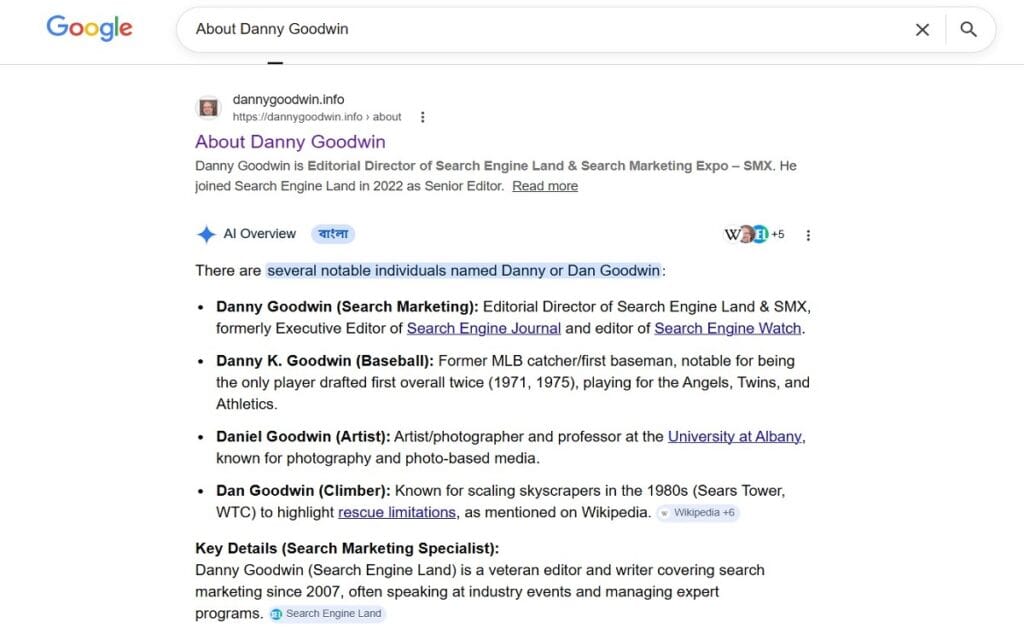
“Strong brands, owned data, and direct query value won.” : Danny Goodwin, Search Engine Land
This means that instead of worrying about the hard parts, we should focus on the simple truth: Google wants to send readers directly to the actual source of information. You need to provide original answers instead of just summarizing what other websites are already saying.
“Core updates tend to highlight content that lacks depth, clarity, or purpose. Pages built around narrow keyword targets without fully addressing user intent are more likely to lose visibility when quality signals are applied more strictly.” — Jeremy Heitzman, SEO Strategist
This means that instead of worrying about gaming Google’s algorithm, we should focus on the simple truth: write pages that actually help the person reading them, not pages designed to trick a search engine.
Key Information at a Glance
| Feature | Why It Matters | How It Helps You |
|---|---|---|
| Original research and data | Google now rewards content that adds something new, not content that rewrites what already exists | Publishing even one original stat or case study puts you ahead of most competitors |
| E-E-A-T signals (Experience, Expertise, Authoritativeness, Trust) | Google is checking whether real humans with real knowledge wrote your content | Adding author bios, citing sources, and showing firsthand experience builds trust fast |
| Being a destination, not a middleman | Aggregators and comparison sites lost big – official, specialist, and brand sites won | Ask yourself: are you the place people actually want to land, or just a stop along the way? |
| Content depth over publishing volume | Sites that posted frequently but shallowly got hit hardest | One well-researched article beats ten thin ones every single time |
Simple Tips You Can Use Today
- Start Small: Don’t try to rewrite your entire website. Pick your top 3 pages that lost traffic, look at what they’re missing, and add one original insight, example, or data point to each.
- Ask Why: If your rankings dropped, don’t panic. Ask why Google might prefer a competing page over yours. Open the top-ranking result and read it honestly – what does it do better?
- Keep Track: Open Google Search Console right now and note exactly when your traffic changed. Write it down. Knowing whether your drop happened March 24 (spam update) or March 27 (core update) changes how you respond.
A Surprising Fact
Did you know that sites with less content but stronger expertise actually outranked bigger sites with hundreds of pages? Most people think publishing more is the answer, but experts found that a single page written by a genuine specialist with real experience and original thinking beat out entire content libraries built on templates and AI output. The secret isn’t volume. It never was. It’s proof that you actually know what you’re talking about.
FAQ: The March 2026 Update Explained
Why did my website lose traffic in March 2026?
Your website likely lost traffic because the March 2026 update heavily penalized intermediary sites and unhelpful content. The algorithm rewarded primary sources, official brands, and pages demonstrating real world expertise.
Google shifted visibility away from sites that simply aggregate information. If your pages do not offer unique value or original insights, they will struggle to maintain their previous rankings.
How long did the March 2026 Google update take to roll out?
The March 2026 Google core update officially finished rolling out on April 8, 2026. It began late in March right after a major spam update concluded.
This overlapping timeline is why the search results felt so unstable. Webmasters were dealing with the fallout of two massive algorithm shifts simultaneously.
What is the difference between the December 2025 and March 2026 Google updates?
The March 2026 update was significantly more volatile. Nearly 80% of top three search results shifted. Almost a quarter of pages in the top ten dropped out of the top 100.
The December rollout caused typical ranking adjustments. The March event caused fundamental structural changes to how Google ranks primary versus secondary sources.
Does Google penalize AI content?
Google does not strictly penalize all AI content. However, it does actively demote mass produced articles that lack human oversight, original insights, or genuine expertise.
Using tools to generate hundreds of generic blog posts will destroy your rankings. You must inject your own experience and unique perspective into everything you publish.
How can I recover from a Google core update drop?
First, identify exactly which pages lost traffic using Search Console. Improve that content by adding original data and clear author credentials. Finally, fix technical issues affecting page speed.
Do not make blind changes based on panic. Analyze your drops, focus on user intent, and rebuild your pages to serve as the absolute best primary resource for that topic.

Hi, I am Khalid. I am an SEO and AI Search Specialist.
My goal is simple: I help your business get found by the right people.
For a long time, getting found just meant showing up on the first page of regular Google search. Today, the internet is changing. People are asking their questions to AI tools like ChatGPT and Google’s new AI features.
My job is to connect the old way of searching with the new way. When a potential customer asks an AI a question about what you do, I make sure your business is the trusted answer they get.
I do not use confusing words or secret tricks. I use clear and honest plans to get you noticed and bring real buyers straight to your website.
Want to see how I can make your brand the top answer? Connect with me on social media or read my exact steps at khalidseo.com.